September 4–7, 2026 · Tupã/SP
Latvian Cultural Camp 2026
Learning by doing. Living culture. New friendships.
Learning by doing. Living culture. New friendships.
The event
The Latvian Cultural Camp for Youth in Brazil, the first ACAMPALETO, will take place at PALMA from September 4 to 7, 2026. It's a 4-day gathering for young people aged 18 to 33 to experience an immersion in Latvian culture. Here you learn by doing: talking, singing, dancing, creating, exploring, and sharing life together.
You don't need to speak Latvian. And you don't need any prior knowledge. All you need is curiosity, a willingness to learn, and openness to take part. The camp is open to any young person who wants to explore a different culture, make new friends, and live an experience that goes beyond what you can learn online.
All the content and schedule are built by an international team — with people from Latvia and Brazil. They're specialists in their own fields within Latvian culture. Most bring direct experience from taking part in 2x2 (Divreizdivi) cultural camps in different countries, and bring that know-how to PALMA.
The schedule runs in Portuguese, with Latvian showing up naturally throughout the day-to-day. And it all happens at Fazenda Palma, in Varpa (Tupã/SP), a place founded by Latvian immigrants in the early 20th century, with a historical heritage unlike anywhere else in Brazil.
And there's a detail that makes it all even more special: in 2026, the Palma Print Shop (Tipografia Palma) turns 100 years old. Holding a Latvian youth camp at this exact site, in its centennial year, is an honor. It's like bringing past and future together in the same place, 100 years later.
Activities
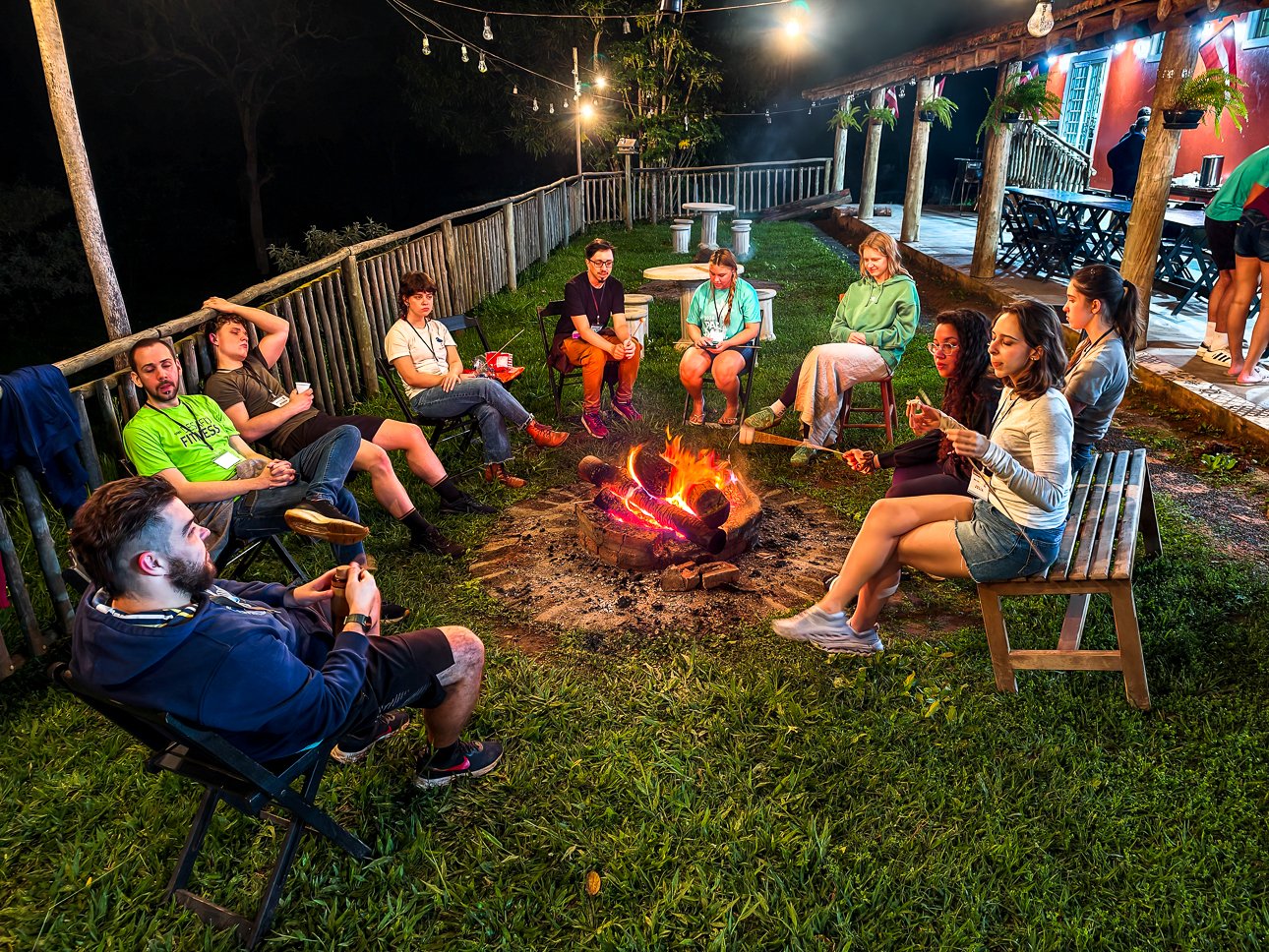
Learning by doing, even without speaking Latvian.
Memory and heritage, with real contact with the place.
Culture in body and sound, bringing the group together.
Tradition + the present day, through conversation and context.
Togetherness, fun, and culture, all at once.
Schedule
Four days of togetherness, learning, and living culture at Fazenda Palma.
Arrival on Friday, departure on Monday.
Arrival and welcome. Getting to know the place, the group, and the history of Fazenda Palma. First cultural evening to break the ice.
A full day: hands-on workshops in the morning, history and heritage activities in the afternoon, music and dance at night. Real immersion.
Conversations about Latvia today — tradition and the present day. Group activities and the big cultural evening, the most special night of the camp.
Closing with memories, exchanging contacts and — above all — the certainty that this group will stay connected long after the camp ends.
The venue
Fazenda Palma is located in Varpa, a rural community in Tupã/SP founded by Latvian immigrants in the early 20th century. It's a place where history is present in everything: in the families, the houses, the land, and the objects — every detail tells the story of those who crossed the Atlantic in search of a new beginning.
Today, the farm is also a space for ecotourism and hospitality. It has the structure to host groups, a preserved green area, and that countryside atmosphere that slows you down, brings people together, and connects.
And there's one more special reason for us to be here: in 2026, the Latvian print shop located at Fazenda Palma turns 100 years old. Celebrating this centennial by bringing Latvian youth together at this exact place is an honor — as if memory were meeting the future, 100 years later.
📸 @fazendapalmaecoturismo →Facilitators
A team passionate about Latvian culture and about bringing people together.
🇱🇻 Latvia
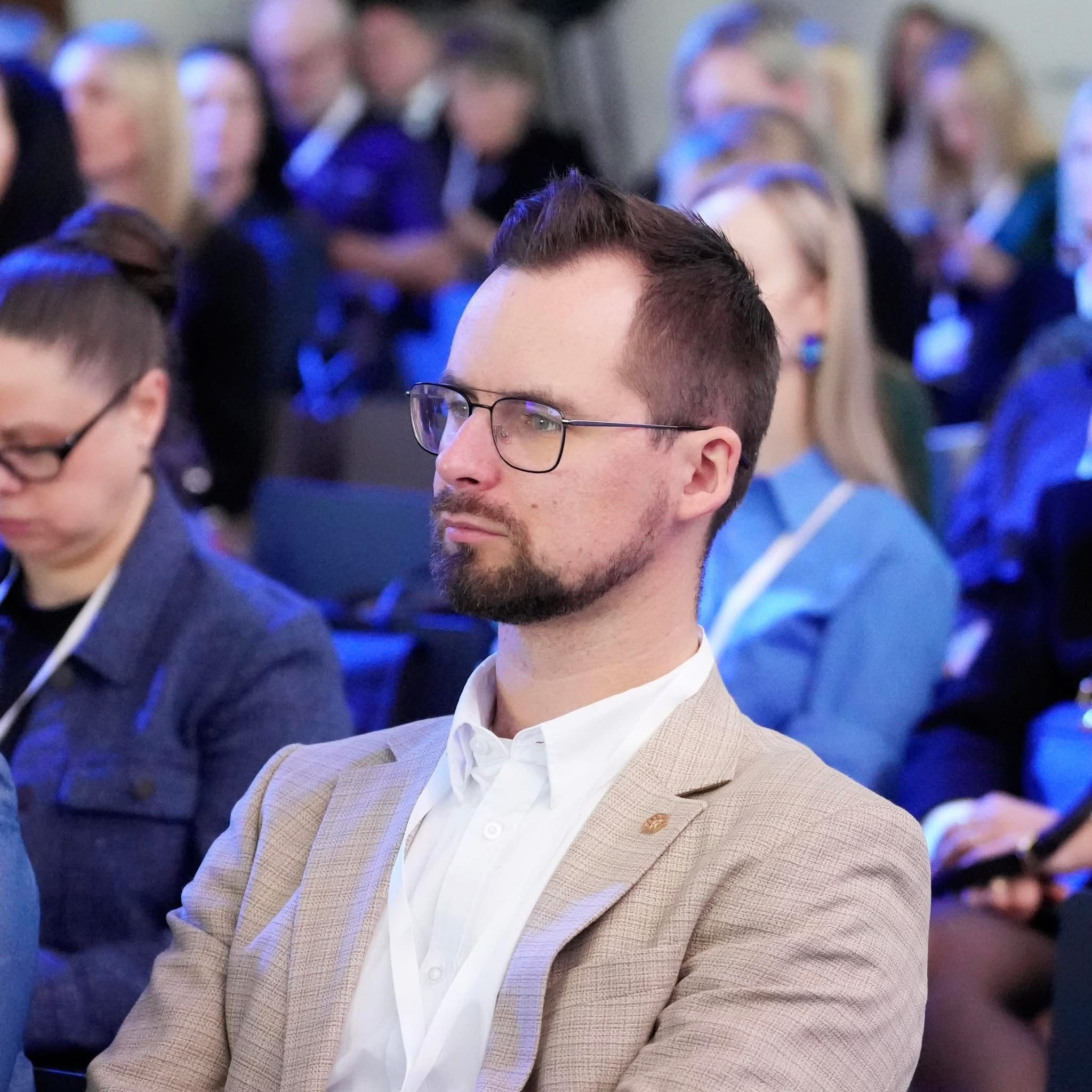
I'm from Liepāja, Latvia. After finishing high school, I lived in Portugal and the United Kingdom, and also spent 10 months backpacking and hitchhiking around South America. For more than 10 years now I've been back in Latvia, where I've worked at an international organic farming company, at the diaspora museum, and also at the Diaspora Department of the Latvian Ministry of Foreign Affairs. At the University of Latvia, I earned my bachelor's and master's degrees, with academic interests focused especially on the Latvian community in South America, ethnic identity practices, and maintaining ties with Latvia. Since 2021, I've taken part in six 2x2 seminars, both as a participant and as an organizer. I'm a researcher, friend, and supporter of the Latvian community in Brazil, and I'm truly glad to help organize this camp for young Latvians in Brazil.
General Coordinator · Brazil
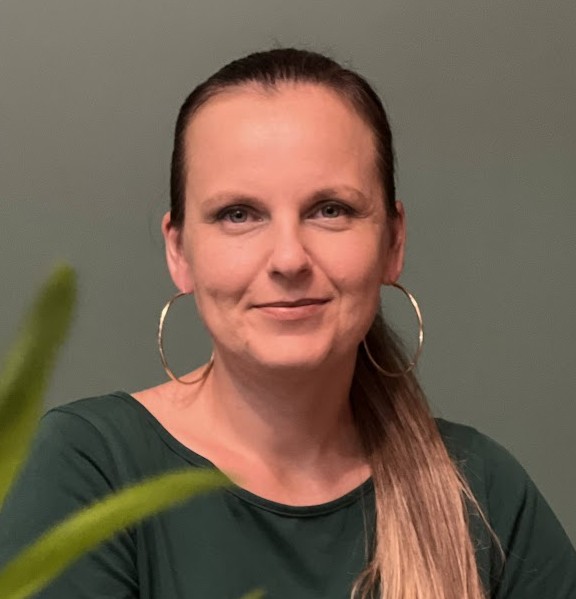
I currently work as a Latvian and English to Portuguese translator. I'm a graphic designer and work in design and advertising. Since 2015, I've been president of DAKLA (the Association of Latvians of South America and the Caribbean). Over the years, I've led projects to bring Latvian culture to Brazil too, with activities ranging from traditional jewelry-making workshops to Latvian dance and music. Among the biggest milestones of my work are two major 2018 projects: the 1st Latvian Culture Festival in Brazil and the Congress of Latvians of South America. I also coordinated passport and ID issuance efforts for Latvian citizens in Brazil, Argentina, and Chile, in June 2025. I've also spent more than 10 years working on projects to bring in musicians and strengthen the cultural program tied to the Līgo Festival in Nova Odessa.
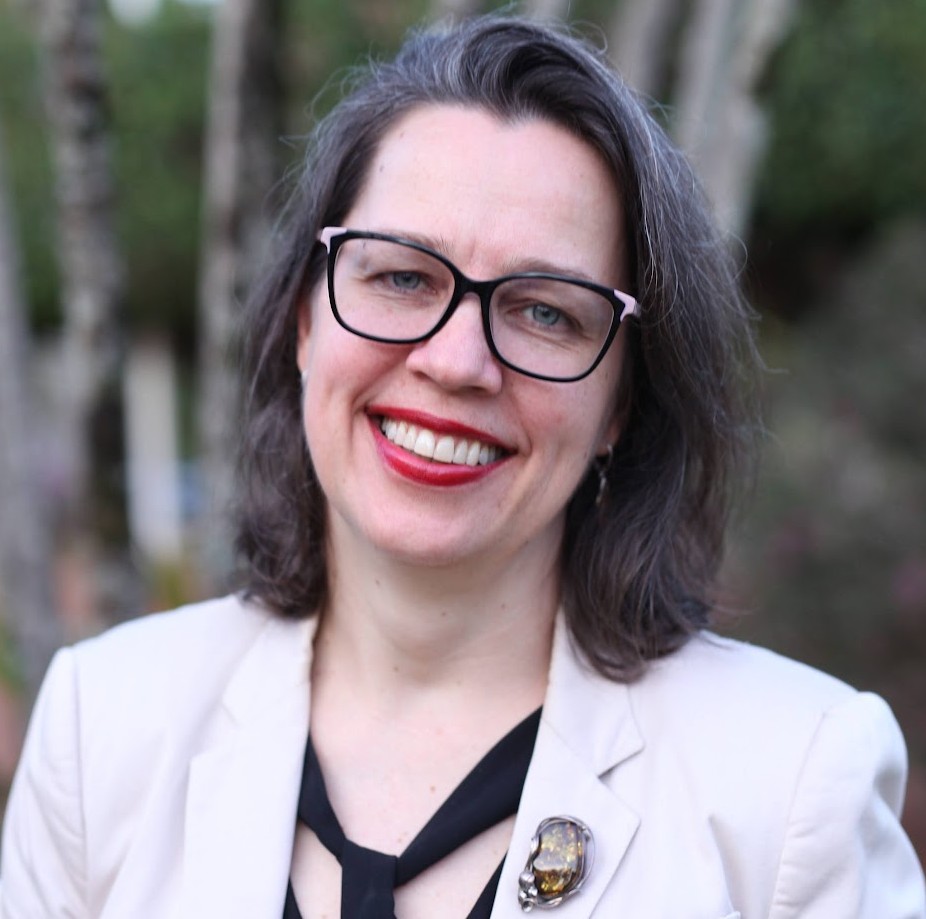
Financial and Operations Coordination at Palma · Brazil
I'm a nurse, graduated from UNIFESP. I work as a professor and, throughout my academic career, I've been researching the history of Latvian immigration to Brazil, with a special focus on Varpa and the Palma Print Shop/Publishing House. In 2025, I completed my PhD in Education at UERJ, with the dissertation "The Print Shop of the Mountain of the Sun: Immigration, the Press, and Education of Latvians in Varpa (SP) between 1925 and 1941." I coordinate memory and preservation projects for Latvian culture in Brazil, focused on the Palma Print Shop/Publishing House — including recovering and publishing stories, initiatives tied to immigrant literature, and heritage preservation efforts.
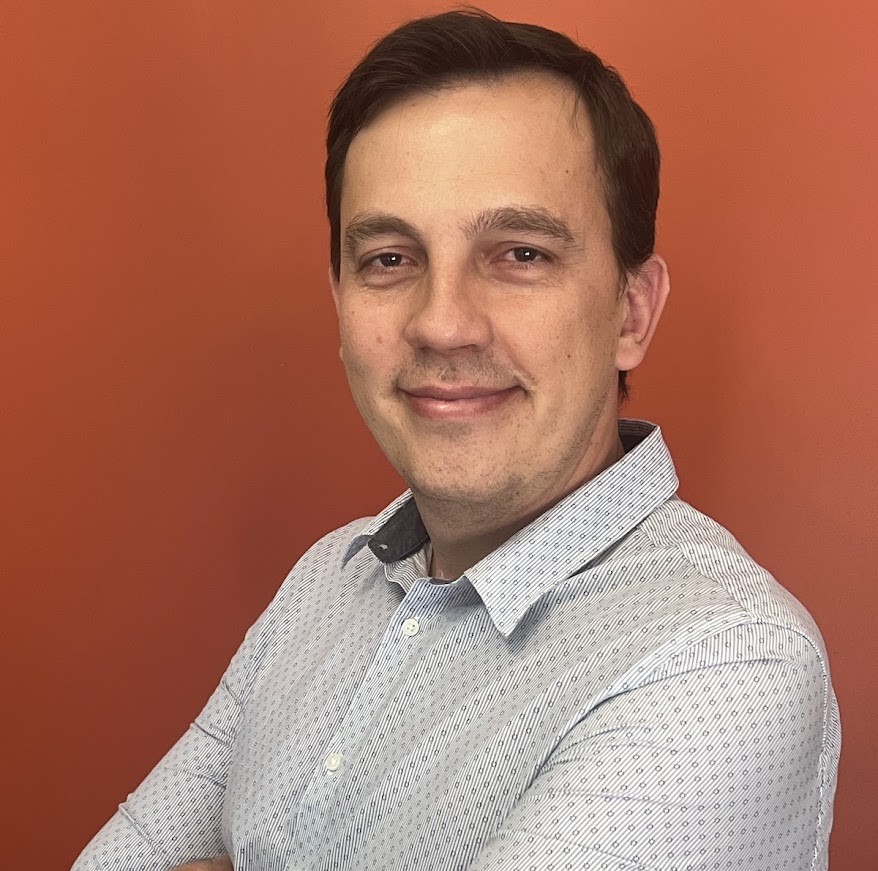
Infrastructure and Logistics Coordination · Brazil
I'm a Brazilian-Latvian community leader and entrepreneur, involved for years in strengthening Latvia's cultural and institutional presence in Brazil. My connection with Latvia began in 2007, when I took part in the 3x3 camp. I later lived in the country from 2008 to 2011. In Brazil, I worked directly on developing Latvian community initiatives: I was president of the Latvian Cultural Center of Nova Odessa and one of the organizers of the Līgo Festival. I also helped coordinate the reception of the President of Latvia in Nova Odessa, in 2025. I'm one of the editors of the Atbalss publication and remain a volunteer on several Latvian community projects around the country.
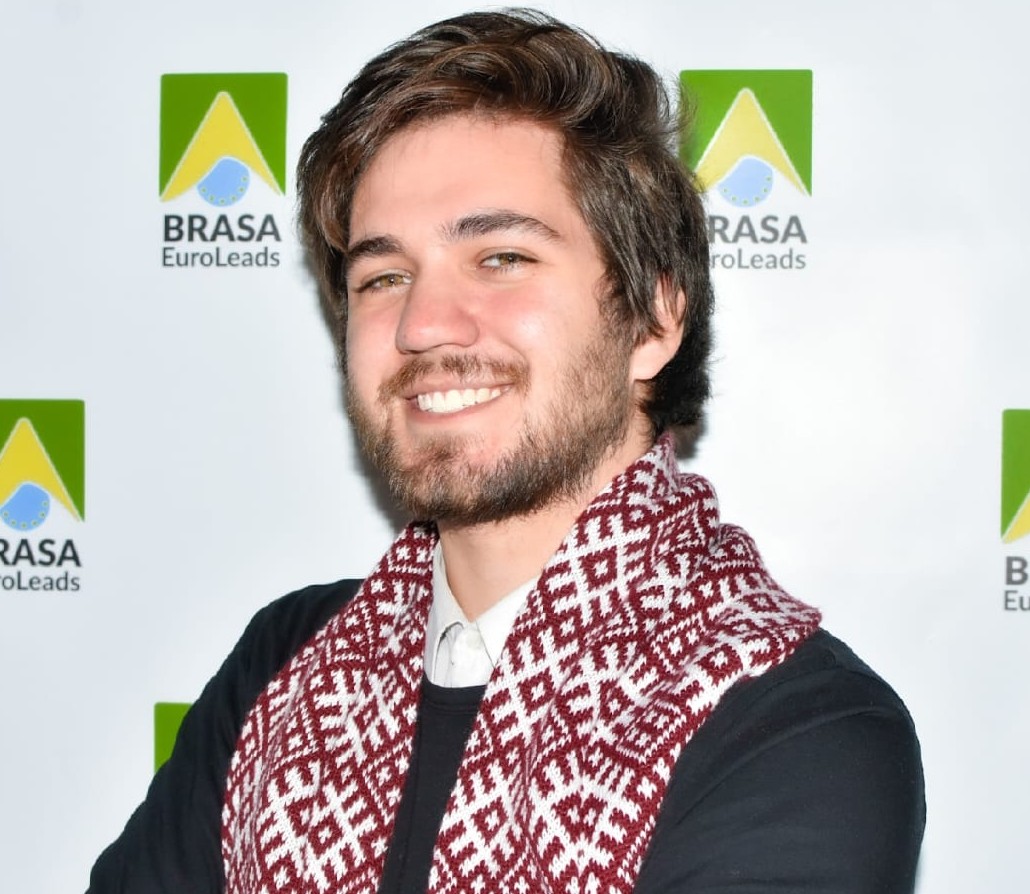
Participant Coordinator · Brazil
I'm a Latvian-Brazilian computer engineer, working in cybersecurity, cryptography, and artificial intelligence. I'm part of the Curitiba Latvian Group and have been a member of the Brazilian Association of Latvian Culture since 2014, contributing to activities related to history, culture, citizenship, and support on diplomatic matters. In 2018, I helped organize the Latvian-Brazilian demographic census. Since 2019, I've taken part in two 2x2 camps and am also a member of Eiropas Jaunieši. Since 2022, I've served as a reservist in the Latvian Armed Forces.
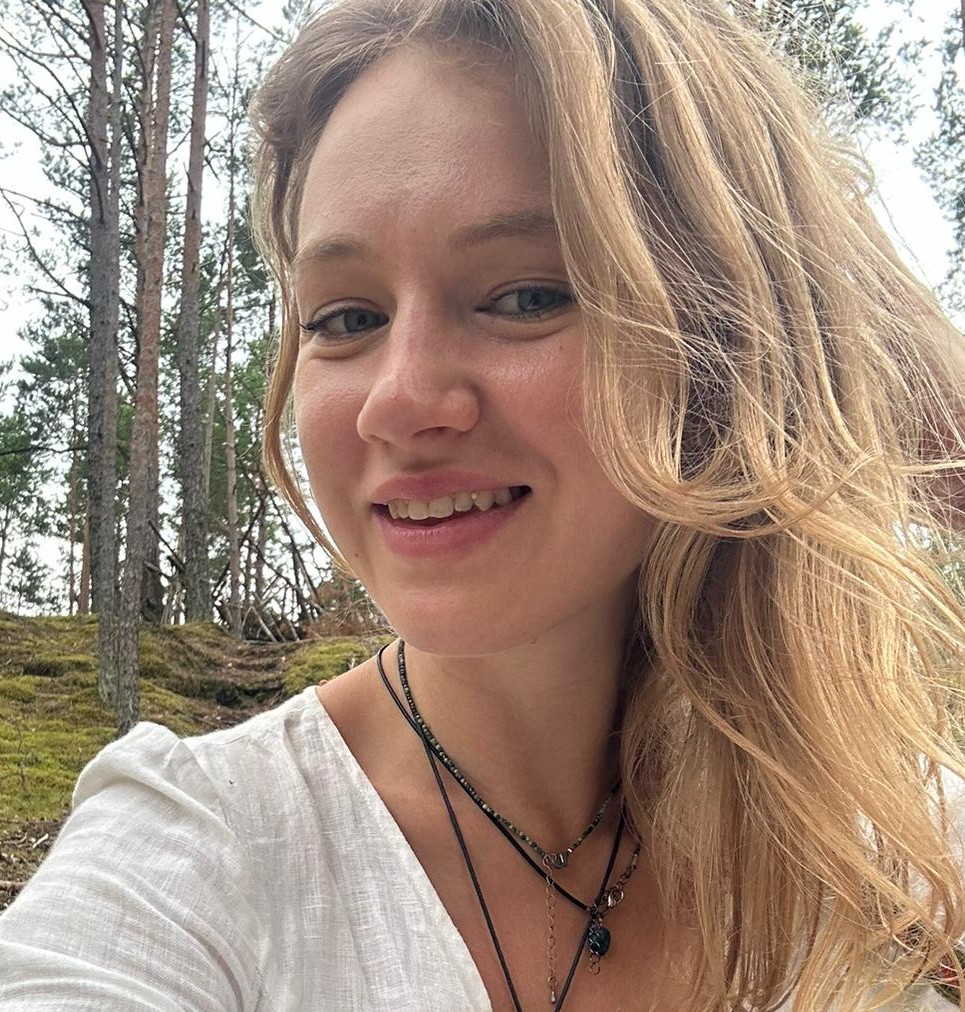
Darbnīca Leader · Traditional Music and Singing · Latvia
Day to day, I make a lot of music with children and young people, both in schools and kindergartens and in the folklore group "Kokle." In the nomadic folk-rock band "Alum Alu," we play music inspired by Romani musical tradition. In the group "Teikas muzikanti," we play traditional Latvian music. In the project "Zemgus un Laura," we blend traditional Latvian music with traditions from other peoples. I've worked as a camp teacher for 15 years. I've already come to Brazil for the Līgo Festival and spent two months teaching children in Nova Odessa and Varpa: traditional dances, Latvian songs, and kokle.
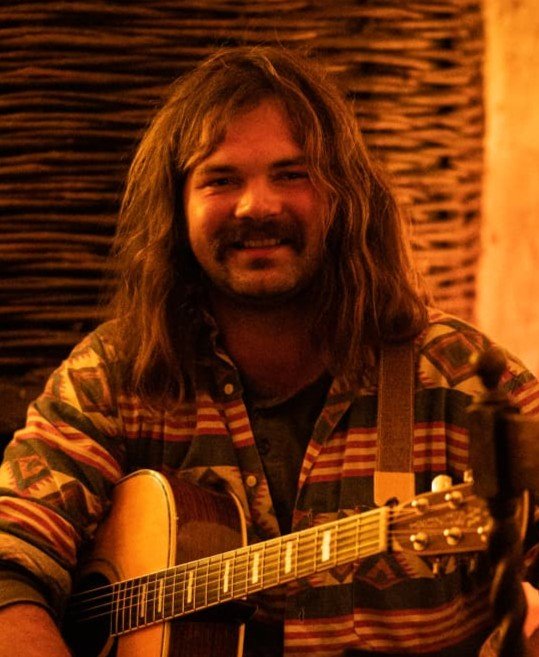
Darbnīca Leader · Traditional Music and Singing · Scotland
I'm a songwriter, guitarist, and singer, born in Carnikava, a small coastal town in Latvia. I've lived in Scotland for 16 years, and over the last five years I've become an active part of Edinburgh's folk music scene. I play with the transatlantic folk group The Greasy Whiskers and take part in other musical projects as well. My main influences include early country, blues, and jazz recordings, old-time music, Scottish and Irish tunes, and traditional Latvian dances and songs. Edinburgh's open music sessions, my travels, and the experience of playing with different people around the world have taught me to see music as something open and collective. At ACAMPALETO, I'll be leading the Darbnīca of Traditional Music and Singing, working with songs, guitar, melodies, harmonies, composition, and collective creation, always connecting tradition with new musical possibilities.
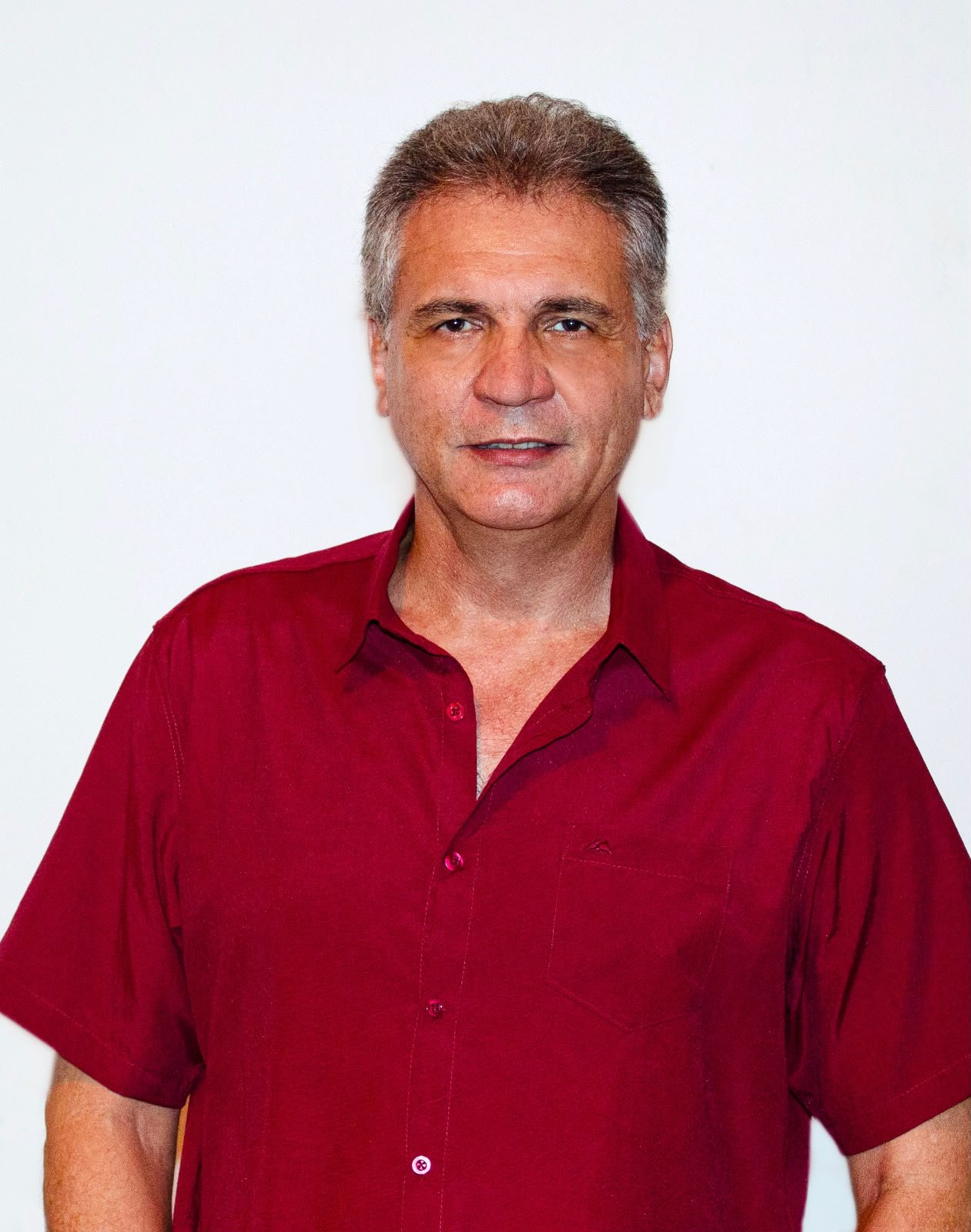
Darbnīca Leader · Photography and Memory · Brazil
I'm a photographer, rural producer, and amateur astronomer. Brazilian, son of Portuguese immigrants, I've always been very interested in history, especially the stories that don't always make it into books. In Varpa, I found in the Latvian immigration story a journey that left a deep mark on me. From there, I also came to know and admire the history of Latvia, especially its struggle to survive throughout the 20th century and its rebirth as an independent country. About 20 years ago, I digitized several glass negatives preserved at the Jānis Erdbers Museum, in Varpa. Today I'm part of the board of the Jānis Erdbers Museum and of the Brazilian Association of Latvian Culture. At ACAMPALETO, I'll be leading the Darbnīca of Photography and Memory, using historical images of Varpa as a starting point to talk about photography, composition, memory, and how we see the past and present differently over time.
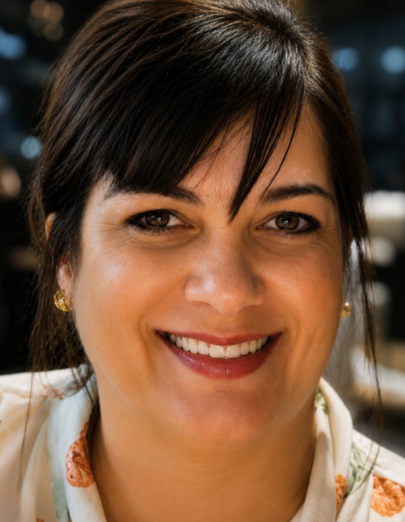
Darbnīca Leader · Traditional Cooking · Brazil
I'm the current president of the Palma Evangelical Corporation, responsible for managing Fazenda Palma. For more than 40 years I've lived alongside the community of descendants of Latvian immigrants from Varpa, closely following their history, faith, and traditions. Over that time, I've taken part in various initiatives aimed at preserving memory and valuing the historical, cultural, and religious heritage left behind by the Latvian pioneers in Varpa and the surrounding region. At ACAMPALETO, I'll be leading the Darbnīca of Traditional Cooking, sharing recipes, flavors, and knowledge that are part of the memory and everyday life of the Varpa community.
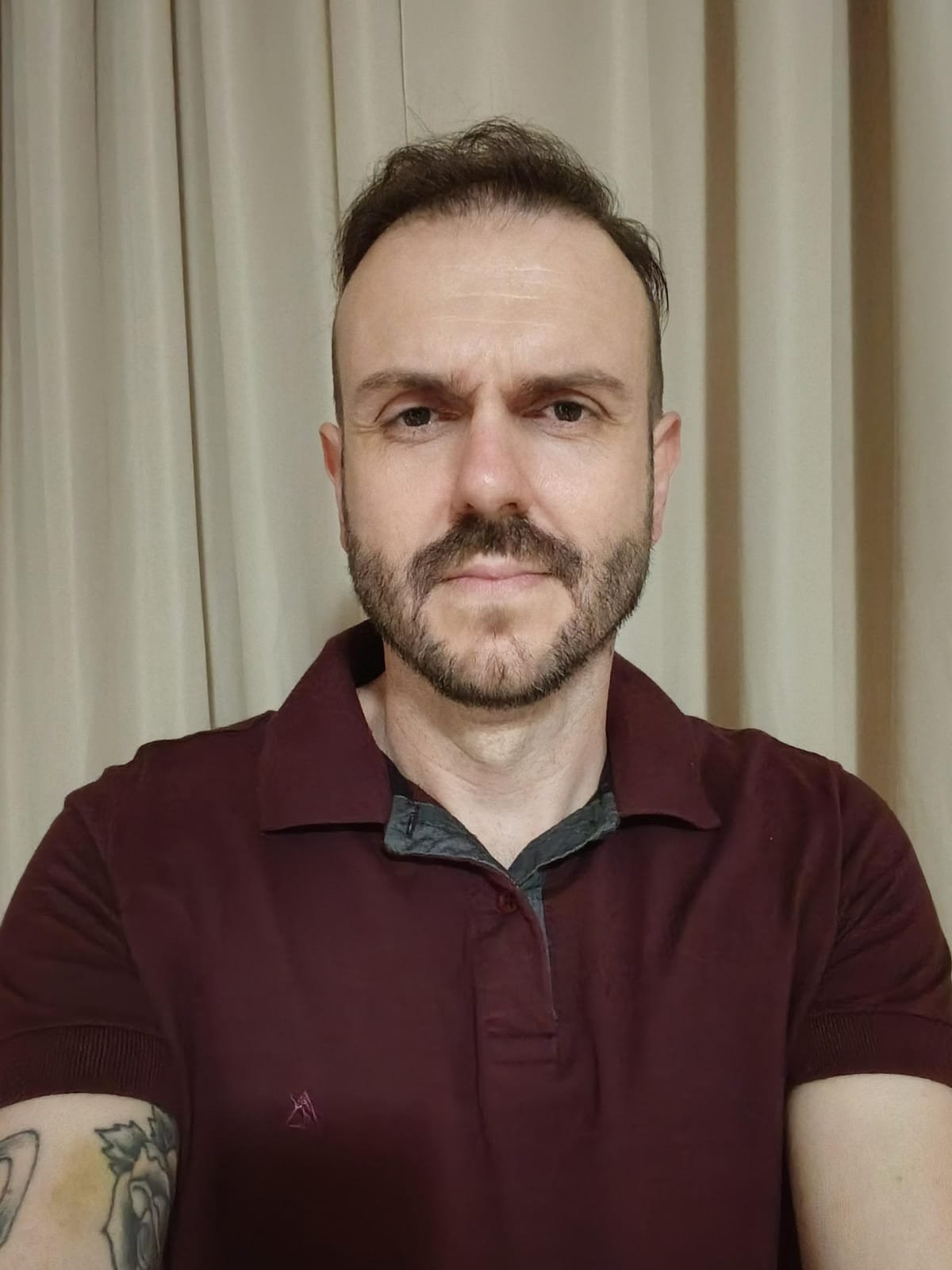
Technical and Operations Lead · Brazil
I hold a teaching degree from CEFAM in Tupã and a bachelor's in Library Science from UNESP Marília, with an MBA in Project Management. I currently serve as Head of the Culture Sector at the Culture and Folklore Preservation Department of the Tupã Tourist District, and as a librarian at the Prof. Tobias Rodrigues Municipal Public Library. Since 2018, I've served on the Tupã Municipal Council for Cultural Policy, which I chaired for two consecutive terms, from 2020 to 2024. My path brings together culture, libraries, project management, cultural policy, heritage, and community work — experience I'll also bring to ACAMPALETO's activities.
Testimonials
It might sound like an exaggeration, but it's true: 2x2 changed my life. At my first camp, in 2024, in Germany, I was scared to death because I hadn't practiced Latvian in a while. But I found a group that was open, patient, and happy to see me there trying. 2x2 attracts kind people who value community and mutual support, and that changes the whole experience. The immersion goes way beyond the language: there are amazing projects and workshops — I even built a kokle and later learned to play it. I made very close friends and I keep learning from everyone's stories. Now, seeing an edition happen in Brazil is a dream come true. And I hope you give it a chance and let yourself explore your own "Latvianness."
When I was invited to 2x2, I didn't know what to expect. I wanted to get to know Latvian culture better and practice the language. It was hard at first, because the language barrier was big. But people's kindness surprised me: many spoke to me in English, others spoke Latvian more slowly and helped me speak it too. The more I learned about the customs, the music, the dances, and the food, the closer I felt to my roots. It was one of the most special experiences I've ever had. I left the camp feeling a little more Latvian — and I want to pass that feeling on.
Taking part in the 3x3 camp in Latvia put me in a setting with Latvians from all over the world who were also interested in learning more about Latvia's history and culture. I met fascinating people and, in a short amount of time, learned a great deal about Latvia and Latvians. I learned a lot during our time together at the camp, not just in the workshops but also during meals, outings, and cultural performances.
My experience at 2x2 started off a bit confusing. I didn't know any of the language, so I couldn't follow the talks, which seemed really interesting. Over time, I managed as best I could, using English and relying on people's goodwill. I ended up making several friends, taking part in fun activities, and feeling more and more at ease. In the end, it was a very positive experience. Just the time spent with everyone already made it worthwhile.
Questions
Young people aged 18 to 33. You don't need to be of Latvian descent, speak Latvian, or have any prior knowledge of Latvian culture. The only requirement is curiosity and a willingness to have the experience.
No. The camp is open to any young person aged 18 to 33. People with and without ties to Latvian culture take part together — and that mix is exactly what makes the gathering richer.
Registration for upcoming editions is not open yet. Follow us on Instagram @AcampaLeto to find out as soon as it opens, along with payment options and other details.
The fee to take part is R$ 300 (Brazilian reais).
The work of the team and activity leaders is voluntary. That's why the fee only covers lodging, meals, and some activities during the camp.
✅ The fee also includes bed linens and a towel.
❌ Transportation to and from Fazenda Palma is not included.
Yes. Fazenda Palma has the structure to host participants during the camp. The R$ 300 fee includes lodging, meals, all activities, plus bed linens and a towel.
After registration, our volunteers will get in touch to:
A full list of recommended items will be sent after registration. In general: comfortable clothes for outdoor activities, closed-toe shoes, sunscreen, insect repellent, and a willingness to get involved in everything.
No. Activities are conducted in Portuguese, with Latvian naturally present in everyday life — words, songs, expressions. You'll learn by playing, no pressure.
Registration for upcoming editions is not open yet. Follow us on Instagram @AcampaLeto to be notified as soon as it opens.
Fazenda Palma is located in Varpa, a district of Tupã/SP. Logistics information, meeting points, and ride-sharing will be shared along with the event schedule. Follow our social media so you don't miss anything.